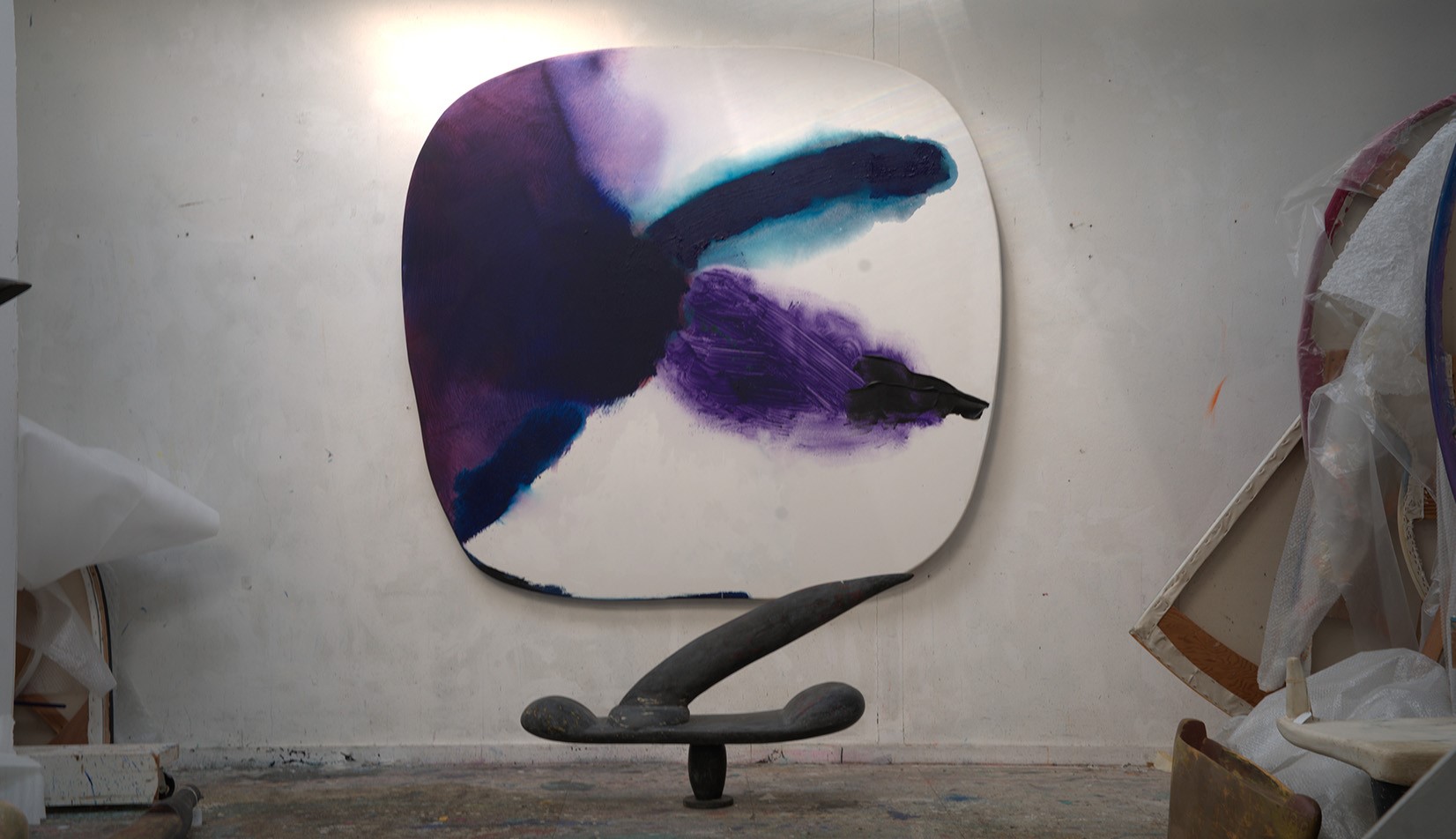
‘Art does not make social statements, but contributes to society on a deeper, less tangible level. I feel that what we should get from art is a sense of wonder, of something beyond ourselves, that celebrates our ‘being’ here.’
Trevor Bell (Modern Painters), 2002
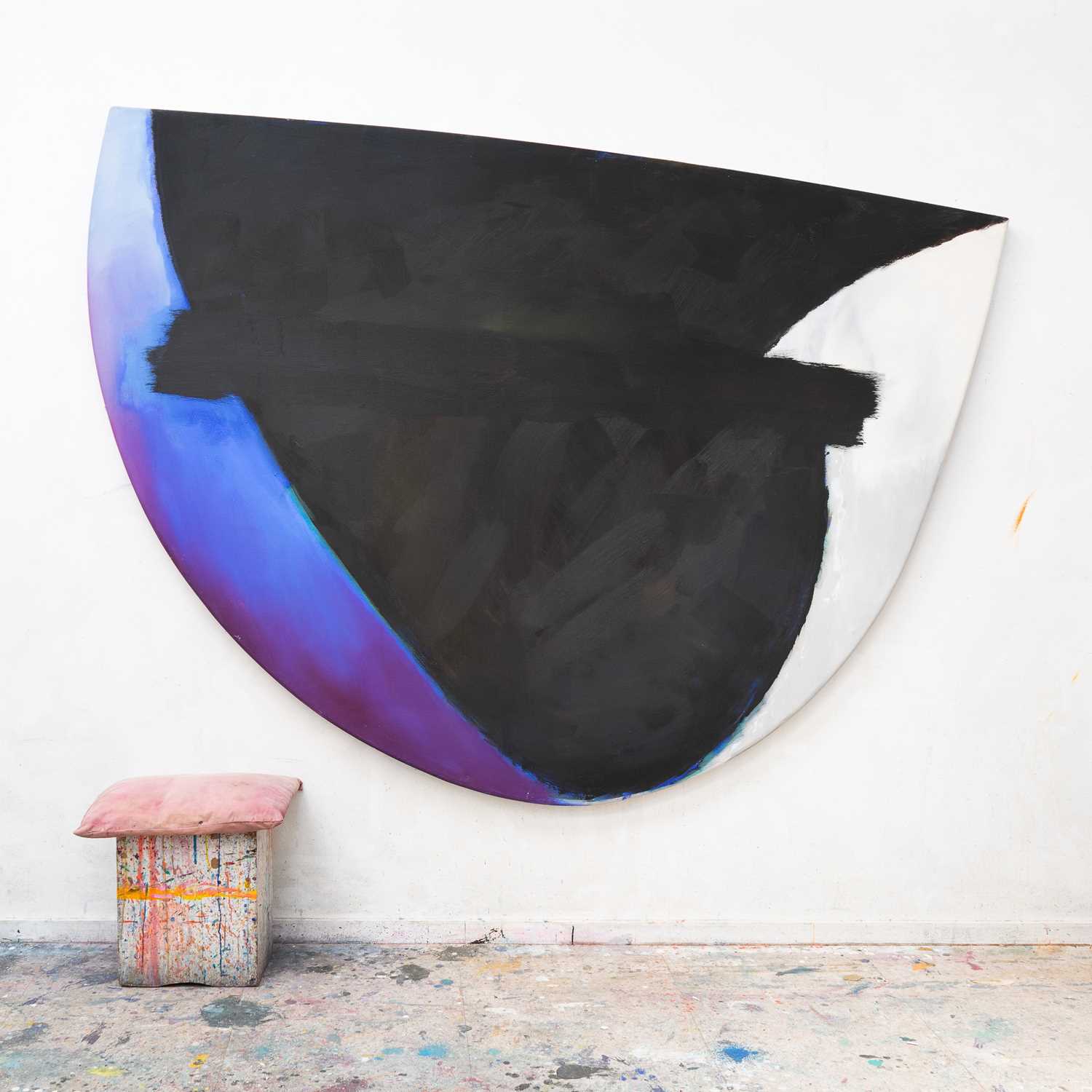
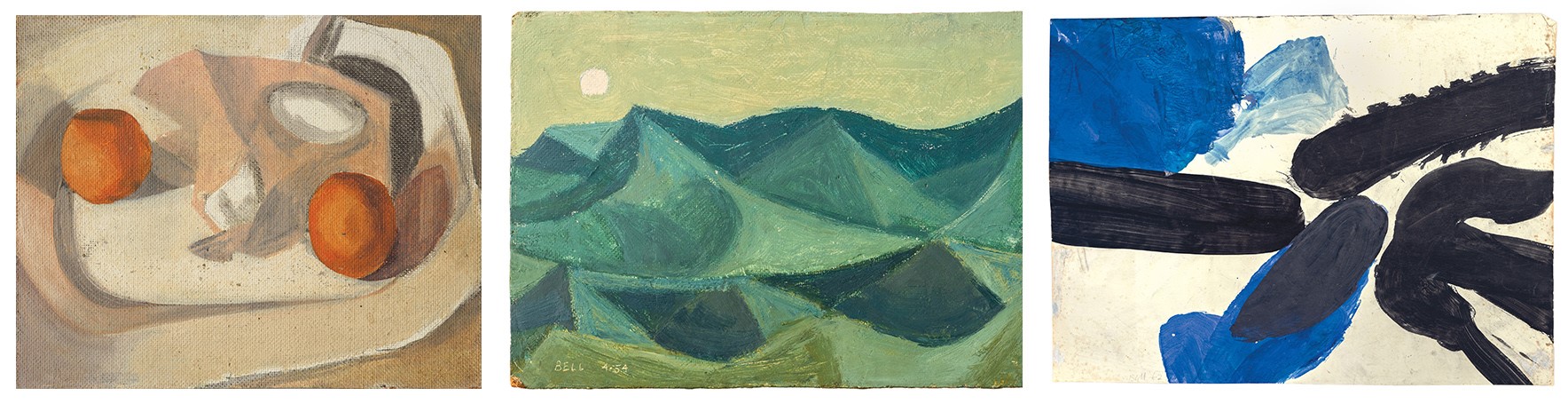
The dramatic and instantly recognisable work of the abstract artist Trevor Bell needs very little introduction to those familiar with the Cornish art world of the last 70 years.
Trevor Bell was one of the radical generation of St Ives artists of the 1950s that included the likes of Barbara Hepworth, Peter Lanyon, Patrick Herron, Terry Frost and Roger Hilton. Bell moved to America to teach in the early 1970s before returning to Cornwall in 1995. He returned with Harriet Corder who he had married in Florida in 1975, Harriet, also English, is a remarkable sculptor and creator, but has eschewed the spotlight and is less known.
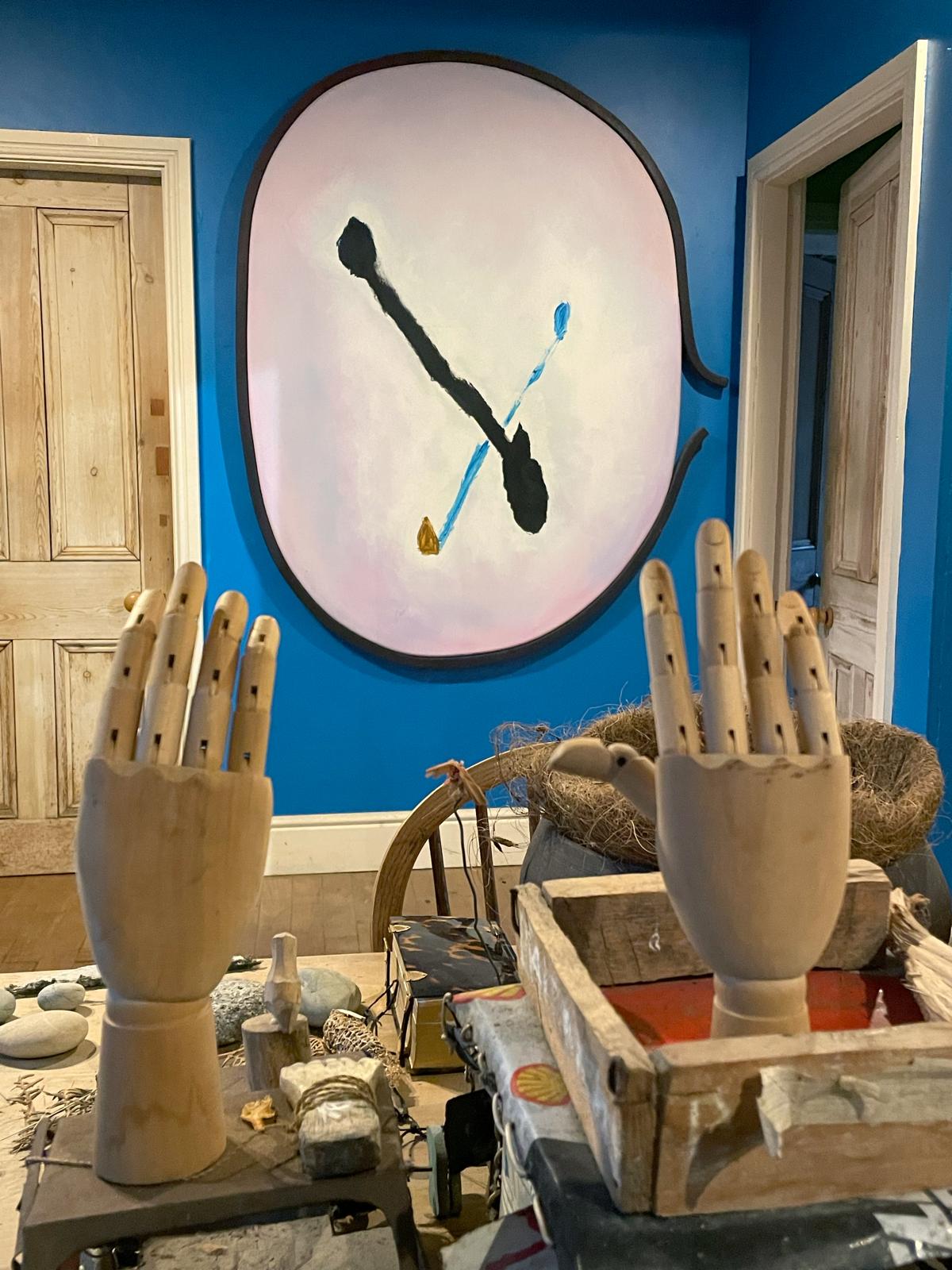
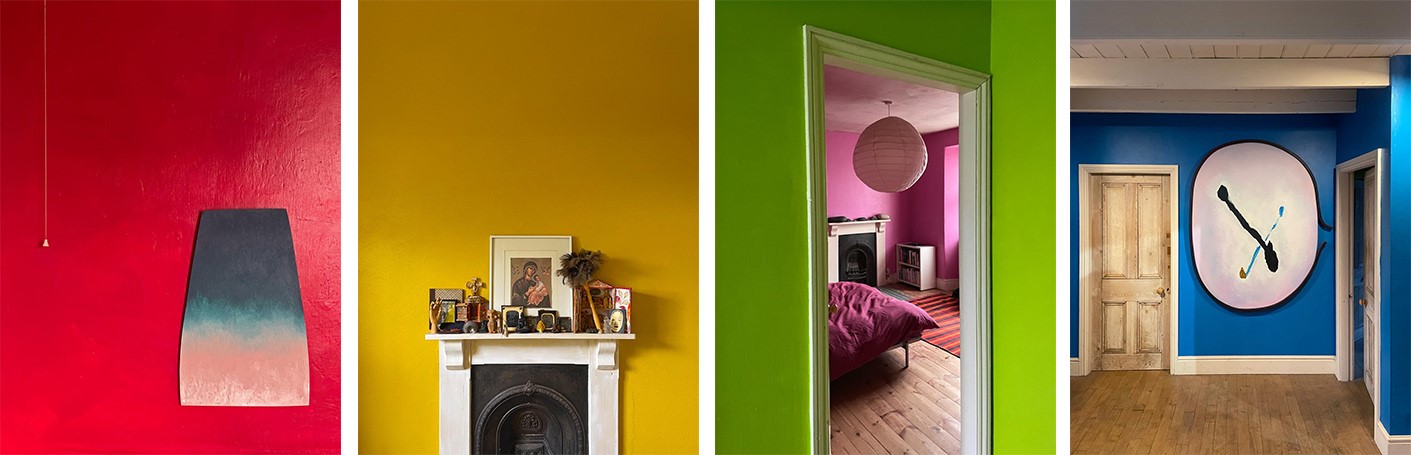
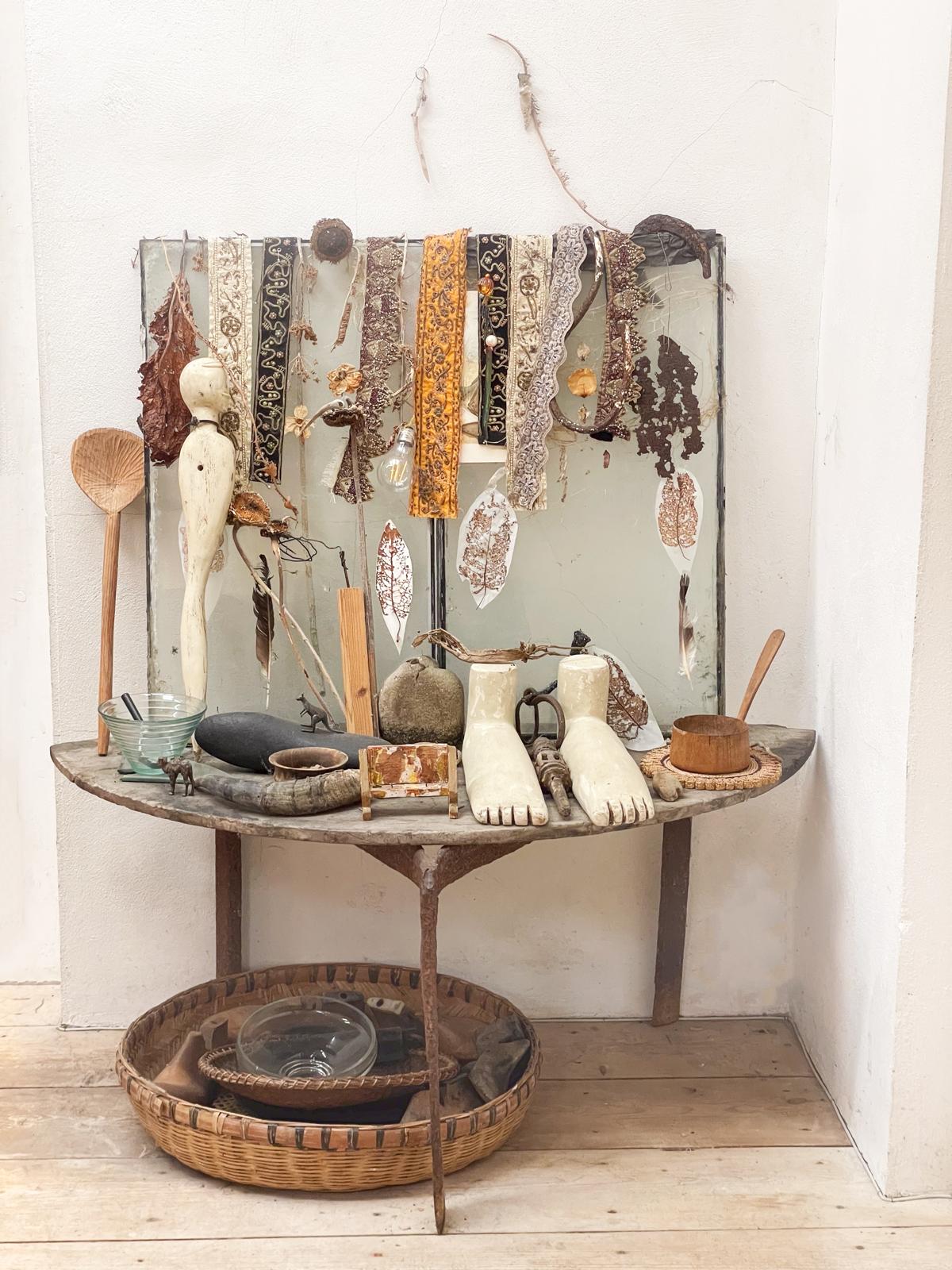
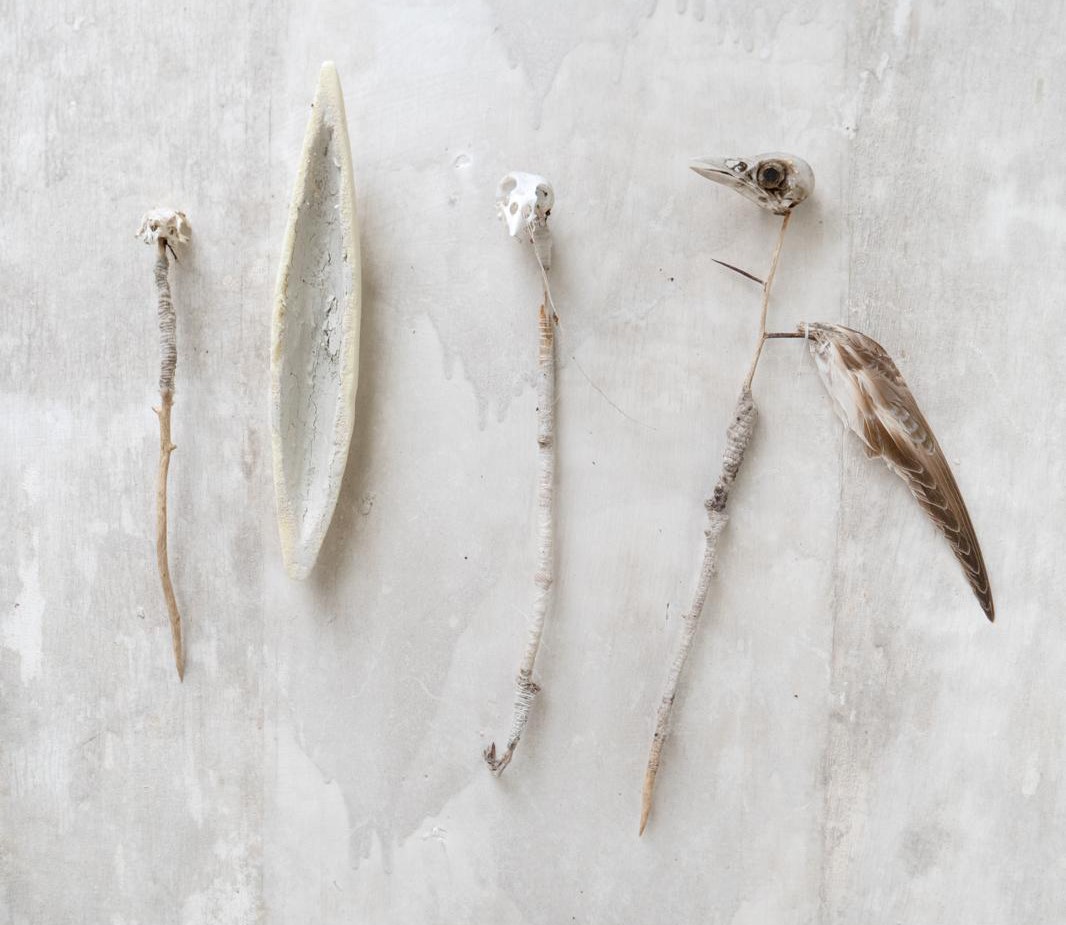
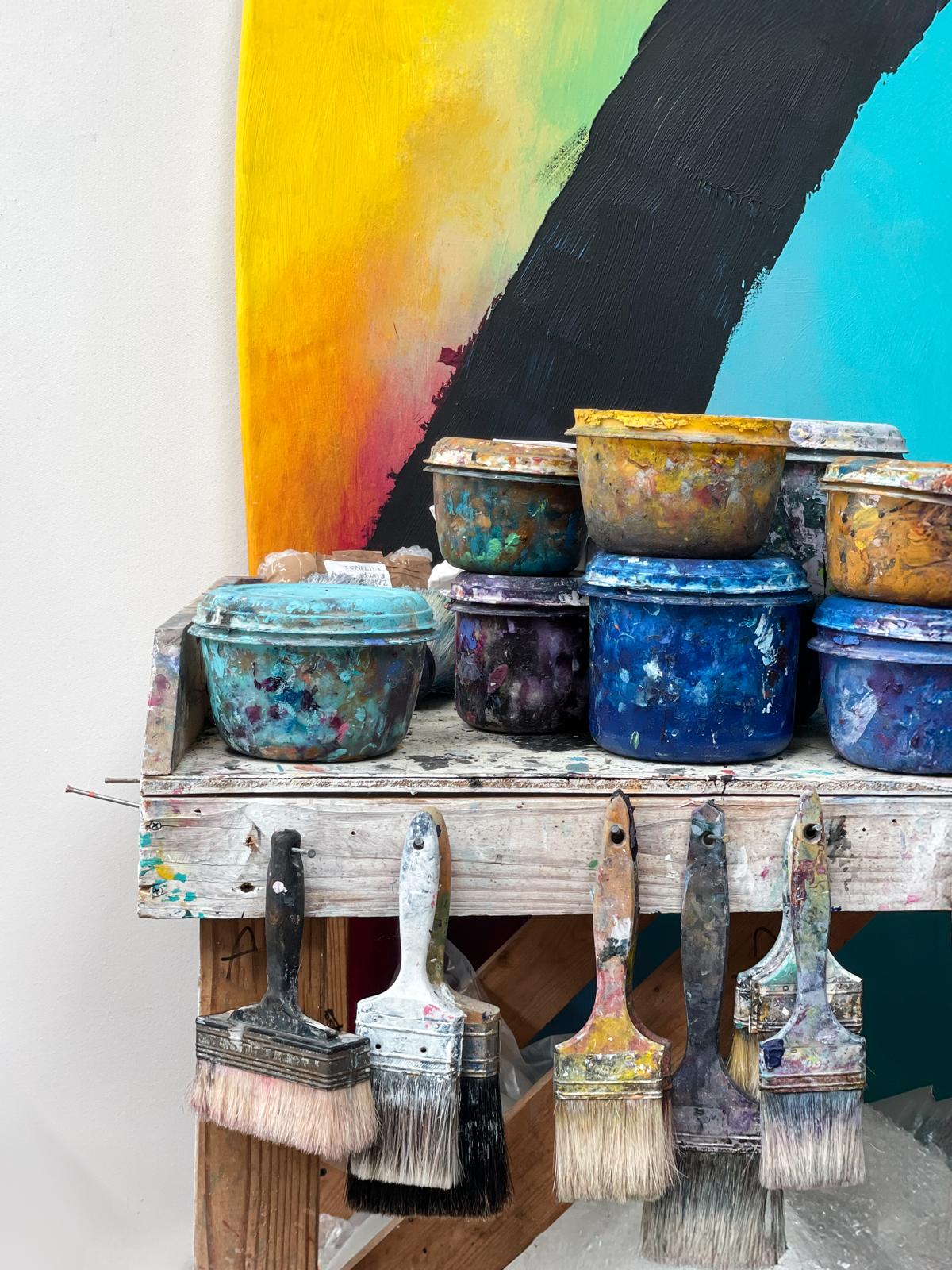
Harriet and Trevor Bell’s artistic practice differed vastly, in medium, scale and theory and yet their life together was a continuous collaboration. They created an extraordinary home together in a restored farmhouse in remote West Cornwall, the house appearing in many ways as a perfect metaphor for their art and their symbiotic existence; the wide, floor-to-ceiling expanses of electric colour on the walls, and Trevor’s heroic canvases of brilliant colour, a breath taking visual foil to Harriet’s intimate 'arrangements' on tables, mantelpieces and shelves of treasures, toys, household objects, flora and fauna or simpatico objects that caught her eye. The whole effect is an astonishing visual feast, the home as a constantly evolving work of art; their Art and Life moving along a trajectory of harmonious symmetry.
Successful exhibitions at The Waddington Galleries in the 1950s ensured Trevor’s work received important early recognition; Patrick Heron described him as “the best non-figurative painter under 30”.
In 1960 he was appointed Gregory Fellow at Leeds College of Art and later went on to teach at Winchester and Hornsey Art Schools and was visiting Professor at Florida State University. He exhibited widely throughout the 1960s but Bell’s 1973 retrospective at the Whitechapel Gallery was a milestone that cemented his reputation as a leading abstract artist. He continued to garner international critical acclaim that endured throughout his life-long career.
We are truly privileged to be handling such a comprehensive sale of his work; it contains an exceptional body of work spanning the six decades of his career.
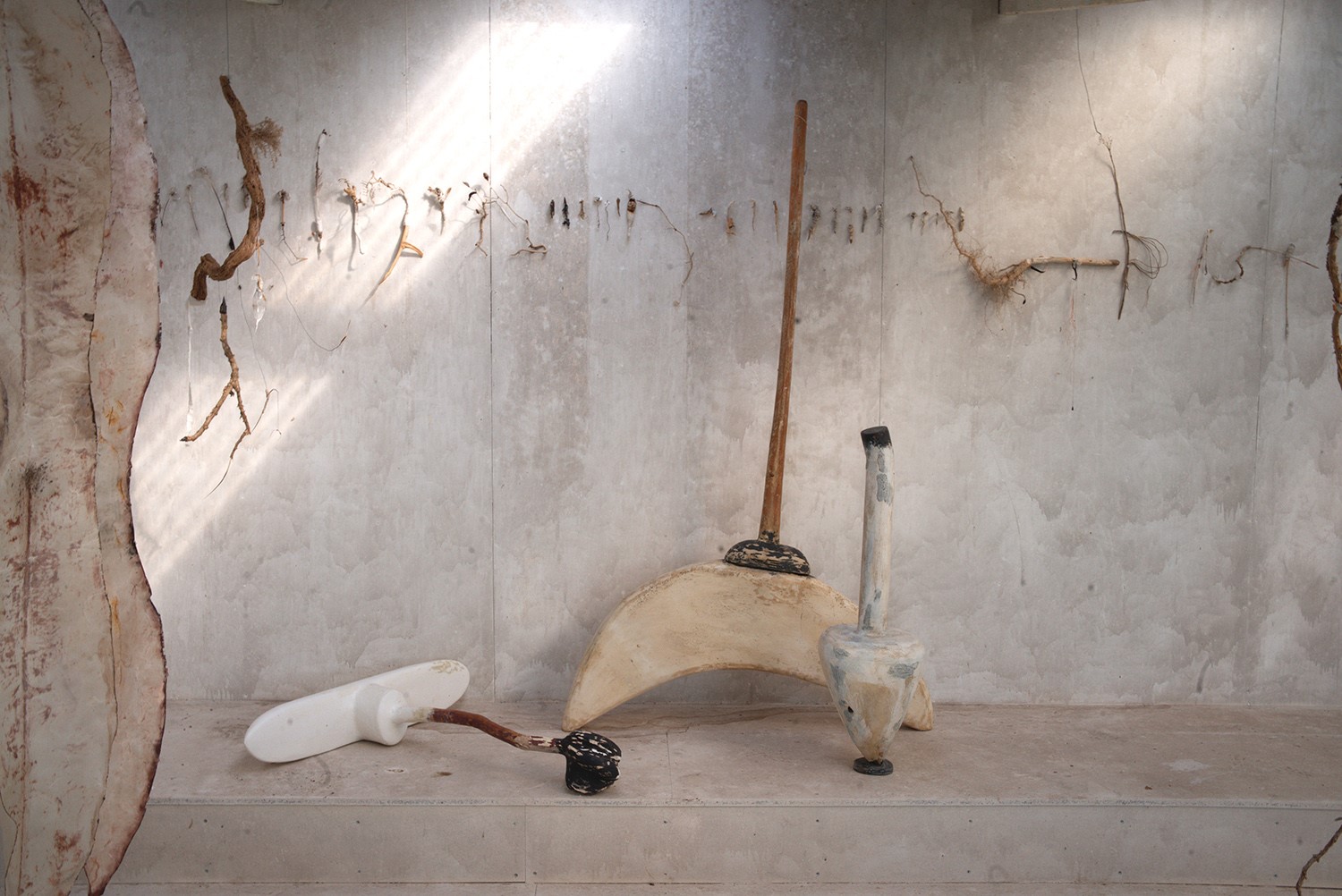
Our familiarity with Trevor’s work did not prepare us for the strange and wonderous work of Harriet. She had exhibited her large-scale sculpture quite widely in Florida in the 1980s to much acclaim, but less so on her return to the UK. It has been a remarkable journey of discovery for us. She is an artist in the truest sense of the word and our first encounter with her studio took us on a magical journey through the multiple phases of her work. Harriet once said, “My studio is an arena, not a space for manufacturing objects” and within this serene and almost otherworldly arena we first met her ‘arrangements’ of ethereal and ghostlike creations. It was a remarkable experience. Crossing over from the bright colours of the house and Trevor’s studio of intensely bold and dramatic canvases, the contrast could not have been more profound and exciting. We were entranced.
Caroline Lay 2026
This exceptional sale brings together the very differing work of these devoted life partners on a scale and in a range never seen before. It will be a unique opportunity to explore and purchase work, much of it unseen, produced between the 1950s and the first two decades of this century by these two extraordinary artists.
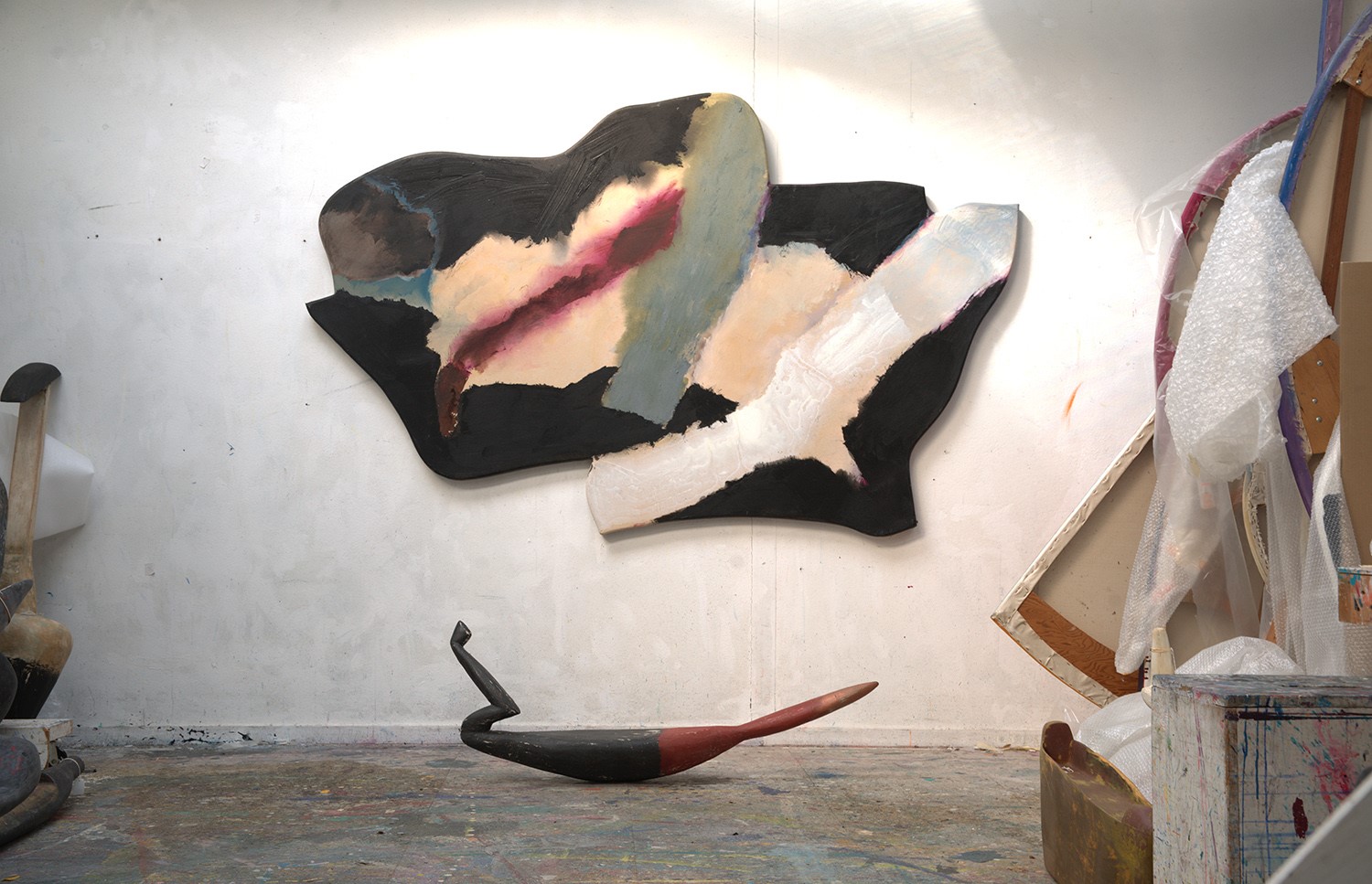
We are very excited to be able to present the ethereal, fragmentary and magical entities that populate Harriet’s world alongside Trevor’s monumental works of brilliant colour, it promises to be a breath taking auction.
View a preview here.
Trevor & Harriet Bell - 16th April, 2026.
The news, history and stories behind our art and antiques